
Google Business Profile Optimization: A Step-by-Step Guide
Last updated: July 13, 2026 · By Joseph Olivas, Founder, MEAN Consultors · 8 min read
Your Google Business Profile is often the first and only thing a nearby customer sees before deciding whether to call you, visit you, or scroll past to a competitor. Yet most profiles I audit are half-finished: a name, an address, and a phone number, with everything else left blank. This guide walks through exactly how to optimize yours, step by step, in the order that actually matters.
Why your Google Business Profile is your most valuable local asset
Local intent is enormous and it converts fast. According to Google, 76% of people who search for something nearby on their smartphone visit a related business within a day, and a meaningful share of those visits turn into purchases. When someone searches for what you sell in your area, your profile is your storefront window. If it looks abandoned, they assume you might be too. Strengthening it is one of the fastest wins in any local SEO strategy.
What actually moves local rankings
Before you touch a single setting, it helps to know where your effort pays off. Local search experts at Whitespark analyze the weighting of local ranking factors every year, and Google Business Profile signals — your categories, proximity, completeness, and activity — consistently top the list for the local map pack.
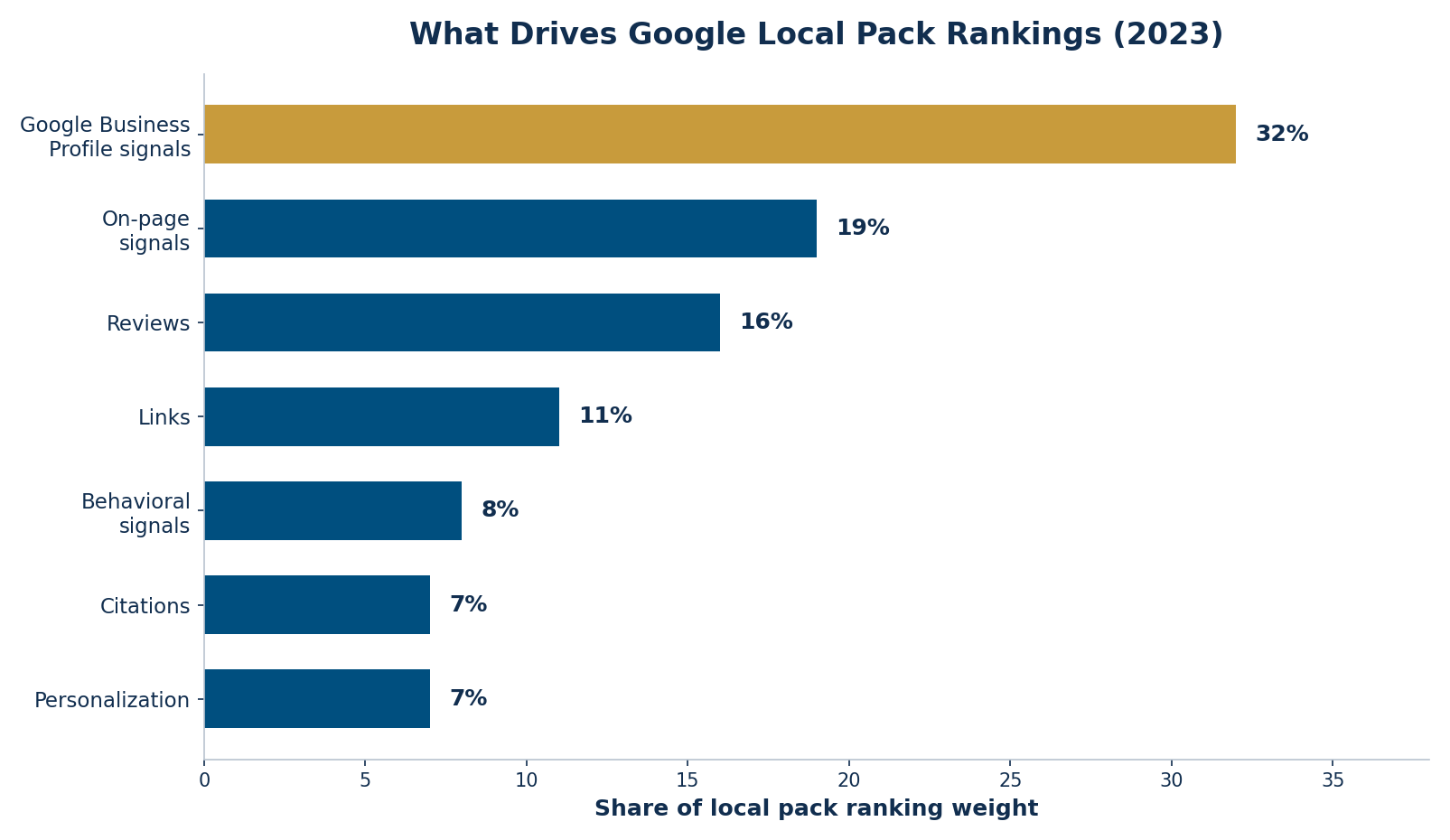
Figure 1: Google Business Profile signals carry the most weight in local pack rankings, ahead of on-page factors and reviews.
| Ranking factor | What you control |
|---|---|
| GBP signals | Categories, completeness, proximity, activity |
| On-page signals | Website content, NAP consistency, keywords |
| Reviews | Volume, recency, ratings, and your replies |
| Links & citations | Backlinks and accurate directory listings |
- Google Business Profile signals account for roughly a third of local pack ranking weight — more than any other single factor.
- 76% of nearby smartphone searches lead to a business visit within a day, so local visibility converts quickly.
- Reviews and on-page signals reinforce the profile, but a complete, active profile is the foundation everything else builds on.
The step-by-step optimization workflow
Optimizing a profile is not a one-time task; it is a workflow you cycle through. Here is the sequence I use, from initial claim through ongoing refinement.
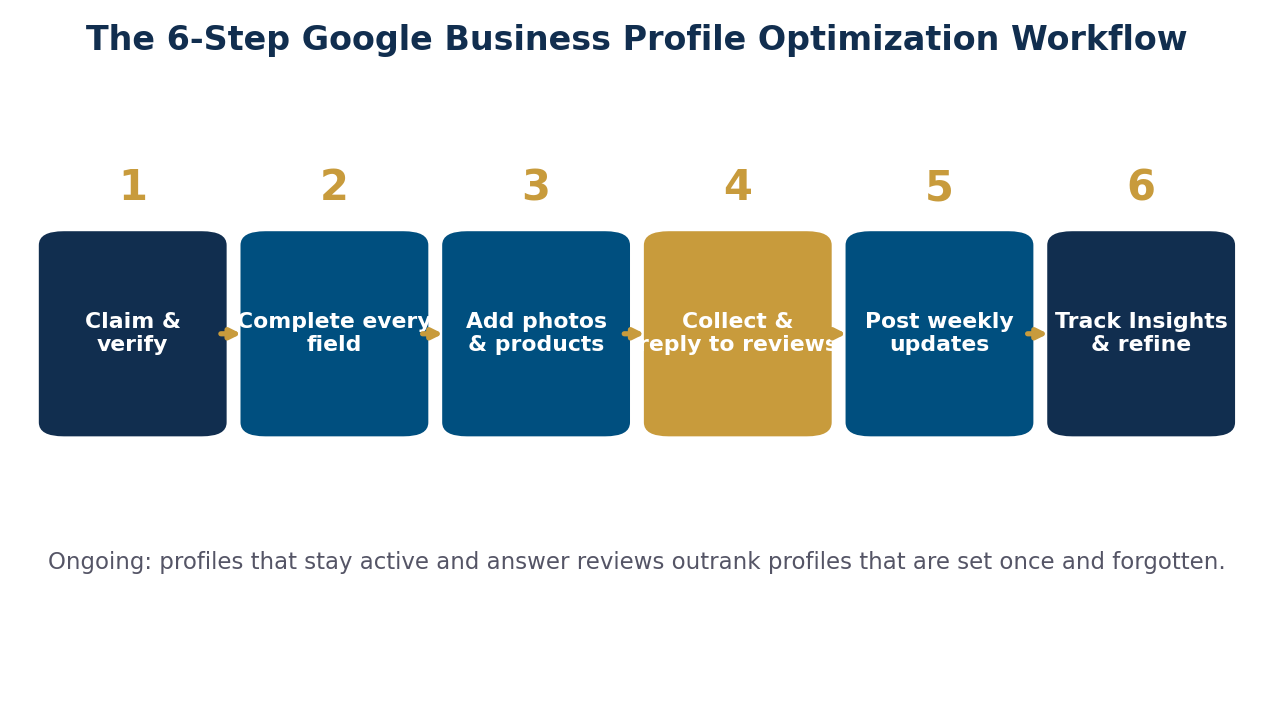
Figure 2: The six-step optimization workflow — profiles that stay active outrank profiles set once and forgotten.
Work through each step in order. The first two are one-time setup; the rest are habits you repeat every month.
- Claim and verify your listing so you control the information Google displays.
- Complete every field — primary and secondary categories, hours, services, attributes, and a keyword-rich business description.
- Add real photos and products of your storefront, team, and work; profiles with photos earn more clicks and direction requests.
- Collect and reply to reviews promptly, thanking happy customers and addressing concerns professionally.
- Post weekly updates — offers, events, and news — to signal that the business is active.
- Track Insights and refine using the performance data Google provides on searches, calls, and directions.
Common mistakes that quietly sink your ranking
Optimization is as much about avoiding self-inflicted damage as it is about adding features. The most common mistake I see is inconsistent name, address, and phone (NAP) information across the web — your profile says one thing, your website another, and an old directory a third. Google reads that inconsistency as uncertainty and hedges its bets by ranking you lower. Fixing NAP consistency across your site and citations is unglamorous but powerful.
The second big mistake is stuffing keywords into your business name. It can produce a short-term bump, but it violates Google’s guidelines, invites competitor complaints, and risks suspension. Use your real business name and let your categories, description, and reviews carry the keyword weight. For a broader view of everything that feeds local visibility beyond the profile itself, our Local SEO Checklist for 2026 maps out the full picture.
Frequently Asked Questions
How long does it take to see results from Google Business Profile optimization?
Small wins like more profile views and calls can appear within a few weeks of completing and activating your profile. Ranking improvements in the local pack usually take one to three months, because Google needs to register sustained activity, fresh reviews, and consistent information before it rewards the profile with better placement.
Does posting on Google Business Profile actually help rankings?
Posts are not a massive direct ranking factor on their own, but they signal that the business is active, and active profiles tend to perform better over time. Just as importantly, posts occupy space on your profile with fresh offers and updates that give searchers a reason to choose you over a quieter competitor.
How many photos should I add to my profile?
There is no magic number, but aim for a well-rounded set: exterior and interior shots, your team, and examples of your products or work, then add new ones regularly. Photos increase clicks and direction requests, and a steady stream of fresh images reinforces that the business is open and active.
How should I handle negative reviews?
Reply promptly, calmly, and professionally. Acknowledge the concern, avoid arguing publicly, and invite the customer to continue the conversation offline. A thoughtful response to criticism often reassures future customers more than a wall of five-star reviews, and consistent replies are themselves a positive signal.
Do keywords in my business name help rankings?
Adding keywords you are not legally entitled to use in your business name can produce a temporary bump, but it violates Google’s guidelines and can lead to suspension or competitor edits. Use your real name and let precise categories, a strong description, and genuine reviews do the ranking work instead.
MEAN Consultors builds local SEO programs — profile optimization, reviews, and on-page work — that put Jacksonville and nationwide businesses in front of nearby buyers.